Achieving a radiant complexion often feels impossible when dead cells and environmental buildup clog pores. Individuals struggling with dullness, flakiness, or scalp congestion require effective methods to refresh the epidermis without causing irritation. Mastering the balance between deep cleansing and barrier protection remains essential for optimal dermatological health.
Safe Skin Exfoliation Guide By Rodan + Fields
The Technical Aspects of Sulfates
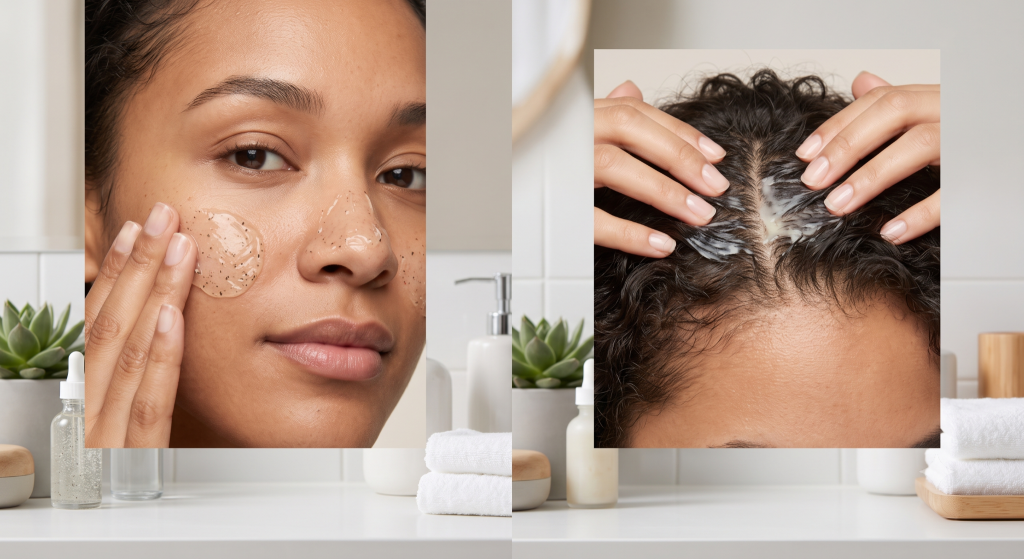
Sulfates act as powerful surfactants in many exfoliating cleansers, creating the lather that lifts away dirt and oil. These chemical compounds, primarily sodium lauryl sulfate (SLS) and sodium laureth sulfate (SLES), bind tightly to impurities on the skin and scalp. While highly effective at stripping away dead cells, their intense cleansing action can sometimes compromise the natural lipid barrier.
Essential Checklist for Safe Exfoliation
- Verifying the concentration of active chemical exfoliants before application.
- Patch-testing all new facial scrubs or scalp acids on a small, discreet area.
- Monitoring the treated skin closely for excessive redness or stinging.
- Ensuring a robust moisturizer is applied immediately post-treatment.
- Confirming the selected product is entirely free from overly harsh abrasives.
Customizing Exfoliation for Specific Needs
Dry/Damaged
Exfoliating compromised areas requires the use of lactic acid or gentle fruit enzymes. These specific ingredients dissolve dead tissues effectively without extracting vital moisture from the cellular matrix.
Color-Treated
For those extending exfoliation to the scalp, preserving hair dye is crucial. Formulations must remain free of heavy salts and harsh sulfates to prevent accelerated fading of cosmetic pigments.
Curly/Coily
This hair and skin texture often conceals a dry scalp that benefits greatly from targeted salicylic acid treatments. Such chemical exfoliants remove stubborn buildup without disrupting natural curl patterns or causing friction.
Sensitive Scalp
Individuals prone to extreme irritation must rely on ultra-fine powders or soothing oat-based exfoliants. Aggressive physical rubbing should always be avoided to prevent micro-tears and subsequent inflammation.
Recognizing Exceptions to the Rule
Not every routine requires a completely sulfate-free or acid-free approach. Certain dermatological conditions, such as severe seborrheic dermatitis, sometimes necessitate stronger, medically formulated clarifying agents. Occasional use of robust formulations can be highly beneficial when strictly guided by a medical professional.
The Science and Ingredients Behind the Process
Cellular turnover naturally slows down with age, making topical intervention necessary to reveal fresh, healthy tissue. Alpha-hydroxy acids (AHAs) work by effectively breaking the desmosome bonds holding dead cells together on the surface. Meanwhile, beta-hydroxy acids (BHAs) penetrate lipid layers to unclog deep pores and regulate sebum production.
Targeted Advice for Optimal Results
Frequency Management
Limiting resurfacing treatments to one or two times a week prevents severe barrier degradation. Over-exfoliating frequently leads to a paradoxical increase in oil production and heightened sensitivity.
Sun Protection Protocol
Newly exposed skin cells exhibit extreme vulnerability to ultraviolet radiation. Applying a broad-spectrum sunscreen daily acts as a non-negotiable step following any chemical or physical resurfacing treatment.
The Ideal Wash Routine
- The process begins by lightly dampening the target area with lukewarm water to soften the epidermis.
- A dime-sized amount of the chosen exfoliant is then dispensed onto clean fingertips.
- The product must be massaged into the skin or scalp in gentle, circular motions for no more than sixty seconds.
- Thorough rinsing with cool water is then required to soothe the freshly treated area and close pores.
- The skin should be patted dry with a soft microfiber towel before immediately applying a nourishing barrier cream.